
An in-depth examination of the jueteng phenomenon in the Philippines, touching on its origins, impact, challenges, and the rise of online alternatives like '6615 Cassino📌 Exploda nas Mesas!'.
Understanding the Complex Phenomenon of Jueteng in the Philippines
Jueteng is a deeply ingrained and controversial numbers game in the Philippines, that despite being illegal, continues to persist and evolve. While authorities have made efforts to eliminate it, this form of gambling remains prevalent, mainly due to its grassroots nature and the economic circumstances of those involved.
The Origins of Jueteng
Jueteng has a long history in the Philippines, tracing back to the Spanish colonial era. Its origins are believed to be rooted in Fujian Chinese culture, with the game being introduced by Chinese traders. Over time, it adapted to local contexts, gaining popularity as it spread across the archipelago. The simplicity of the game and the lack of formal requirements for participation have undoubtedly contributed to its widespread acceptance and persistence.
How Jueteng Operates
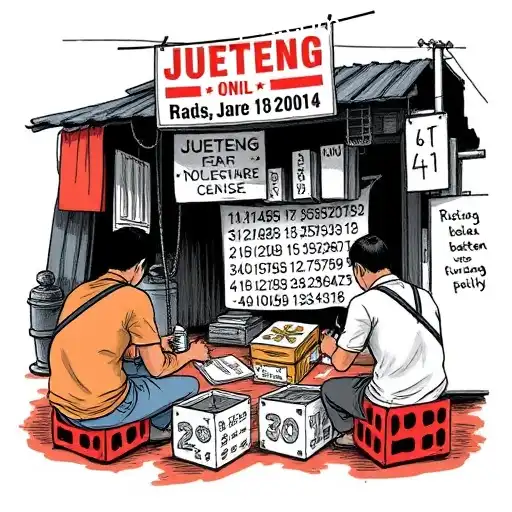
Jueteng involves the drawing of a pair of numbers from one to thirty-seven. Players place small bets on their chosen combination, with winning numbers announced twice daily. The prize, a function of the bet size, is enticing, especially for those with limited financial means. This system operates through a network of cobradores, or bet collectors, and cabos, who manage the collections and payouts. At the top sits the jueteng lord, a powerful figure often with ties to local politics and law enforcement.
The Allure and Impact of Jueteng
For many Filipinos, jueteng is more than just a gambling plight; it represents hope for financial relief amidst economic challenges. The promise of a substantial payout with minimal investment appeals to individuals across socioeconomic statuses. iLocal studies suggest that around 70% of proceeds from jueteng are redistributed locally, creating jobs and fostering community support. Unfortunately, this economic significance comes at a price.
Challenges in Eradicating Jueteng
Authorities face significant obstacles in eliminating jueteng. The game is deeply intertwined with local cultures and economies, making sweeping bans difficult to enforce. Corruption exacerbates these issues, with official reports indicating that law enforcement often turns a blind eye or is complicit in operations. Besides, legislative efforts are frequently undermined by influential individuals who benefit from jueteng proceeds.
The Role of "6615 Cassino📌 Exploda nas Mesas!"
Recently, the emergence of new platforms such as "6615 Cassino📌 Exploda nas Mesas!" has captured the attention of both players and authorities. While not directly linked to jueteng, these online casinos indirectly contribute to gambling culture, further complicating the regulatory landscape. They offer modern alternatives that appeal to younger, tech-savvy audiences, to expand the reach and impact of gambling in the Philippines.
Opportunity for Policy Development
This intersection of traditional and digital gambling offers a unique opportunity for policymakers. They could leverage the interest in platforms like "6615 Cassino📌 Exploda nas Mesas!" to create regulated environments that protect consumers while mitigating the issues caused by illegal operations. Such changes could streamline law enforcement efforts and redirect funds towards community development and education.
The Inevitable Persistence of Jueteng
Despite the challenges, jueteng is likely to remain a staple of Filipino culture due to its historical significance and embeddedness in communities. While reaching full legalization may not be feasible, targeted reforms could preserve cultural heritage without promoting illegal activities outright.
Conclusion
As the Philippines continues to grapple with the social and economic implications of gambling, jueteng serves as a critical case study. Understanding its complexities can help inform strategies that prioritize community well-being over economic gain. Platforms like "6615 Cassino📌 Exploda nas Mesas!" highlight the evolving nature of these challenges, reminding us of the delicate balance between tradition and progress that defines the contemporary gambling landscape.